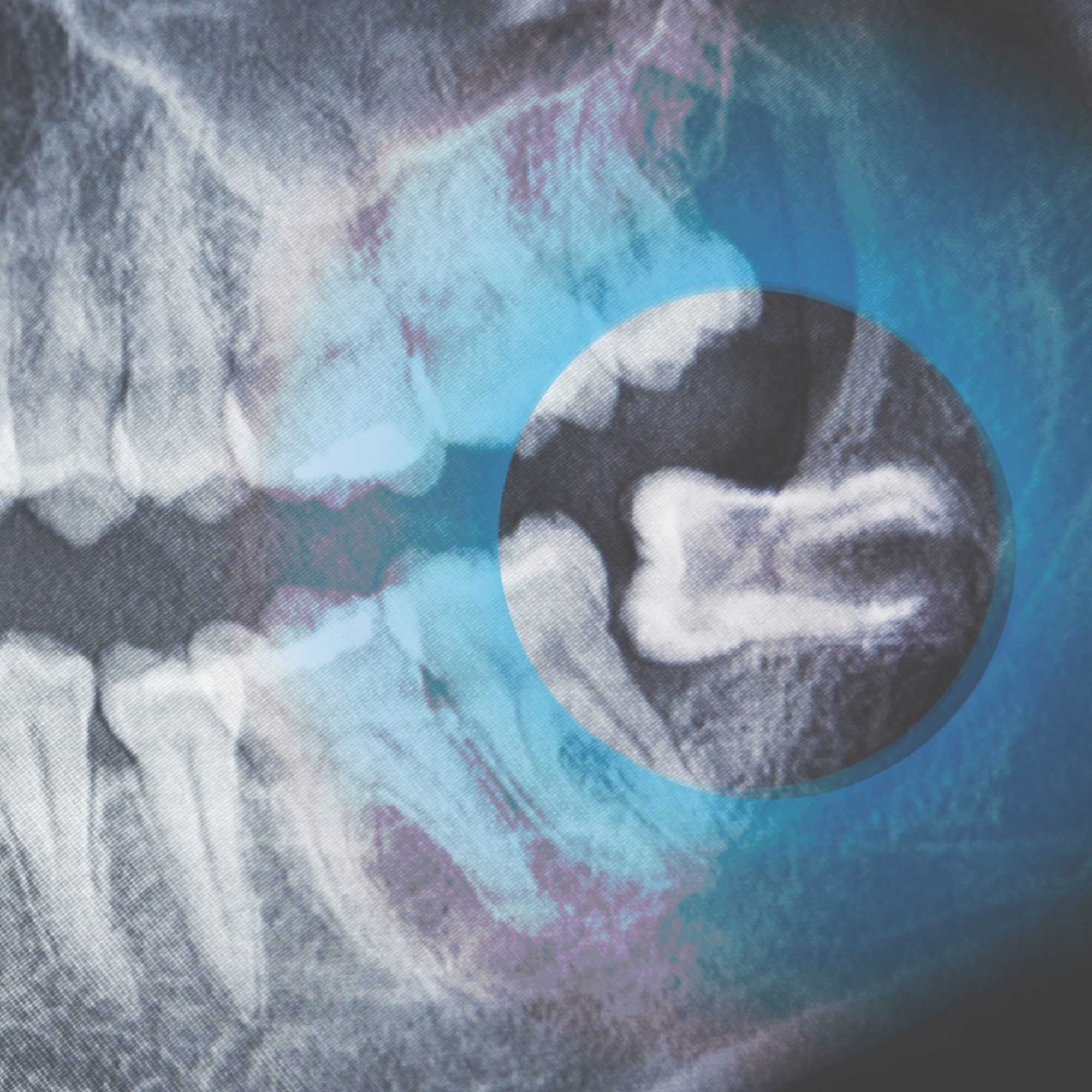
The short answer: recovery is individual
NHS wisdom tooth recovery guidance says many people return to normal activities the next day; a more difficult removal or general anaesthetic may mean taking one to three days off work. Pain, swelling or jaw discomfort can last longer. These are general guides, not a promise that everyone can work the next day.
The tooth’s position, procedure, anaesthetic, job and health can affect your recovery. Follow the instructions from your own treating team.
The day of removal: why plan to rest?
A blood clot forms in the socket to protect the wound. Follow your dentist’s instructions about rest, bleeding and cleaning, and avoid touching the area with your fingers or tongue. University College London Hospitals tooth extraction aftercare guidance also advises protecting the clot early on.
While local anaesthetic is wearing off, be careful not to burn or bite your numb lip or tongue. After sedation or general anaesthesia, follow your team’s instructions about an escort, driving and activities.
The first two or three days: swelling and discomfort
Some people experience cheek swelling, bruising, jaw stiffness or discomfort when chewing. Hospital guidance notes that pain and swelling can be more noticeable around 48–72 hours before settling, but recovery varies.
If pain or swelling is severe, continues to worsen or worries you, contact your dentist rather than assuming it is normal because of the day number.
When can I return to work?
Consider how difficult the removal was, the anaesthetic, your work and how you feel. Some people resume ordinary activities the next day. More complex treatment, anaesthesia, physical work, lifting or prolonged talking may require a different plan.
Before your appointment, tell your dentist what your job involves and ask how much time you should allow and whether you need someone to accompany you.
When can I eat normally?
Soft, easy-to-chew foods may feel more comfortable initially, such as soft rice, mashed potato or soup allowed to cool. Take care with food temperature while numbness remains. Return to your usual diet gradually, according to your comfort and your dentist’s instructions.
Avoid foods that could injure the site or become trapped in the socket. Your treating team can advise on your own procedure.
When can I brush my teeth?
Your mouth still needs cleaning, but take care near the extraction site so you do not disturb the clot. Individual instructions may differ; follow the written aftercare given to you. If you are unsure when to brush or rinse around the site, ask your treating team.
Does worsening pain mean dry socket?
Dry socket is one possible painful complication after an extraction, but worsening pain can have other causes. Contact your dentist for assessment if you have significant or increasing pain, a bad taste, fever or feel unwell; do not diagnose yourself.
When should I seek urgent help?
Contact your dentist promptly for bleeding that does not stop or severe or worsening pain or swelling. If you have trouble breathing or swallowing, seek urgent medical help; call 000 in an emergency.
This information is general. Your dentist’s assessment and advice should guide your care.
Related dental care
References

Meet a dentist
Dr. Christina Yang
Learn about wisdom tooth assessment, extraction and aftercare.


