Preventive dentistry
Preventive dentistry includes regular examinations, professional cleaning and daily oral care to help identify concerns early. Your dentist can recommend care and follow-up based on your teeth, gums and individual needs.

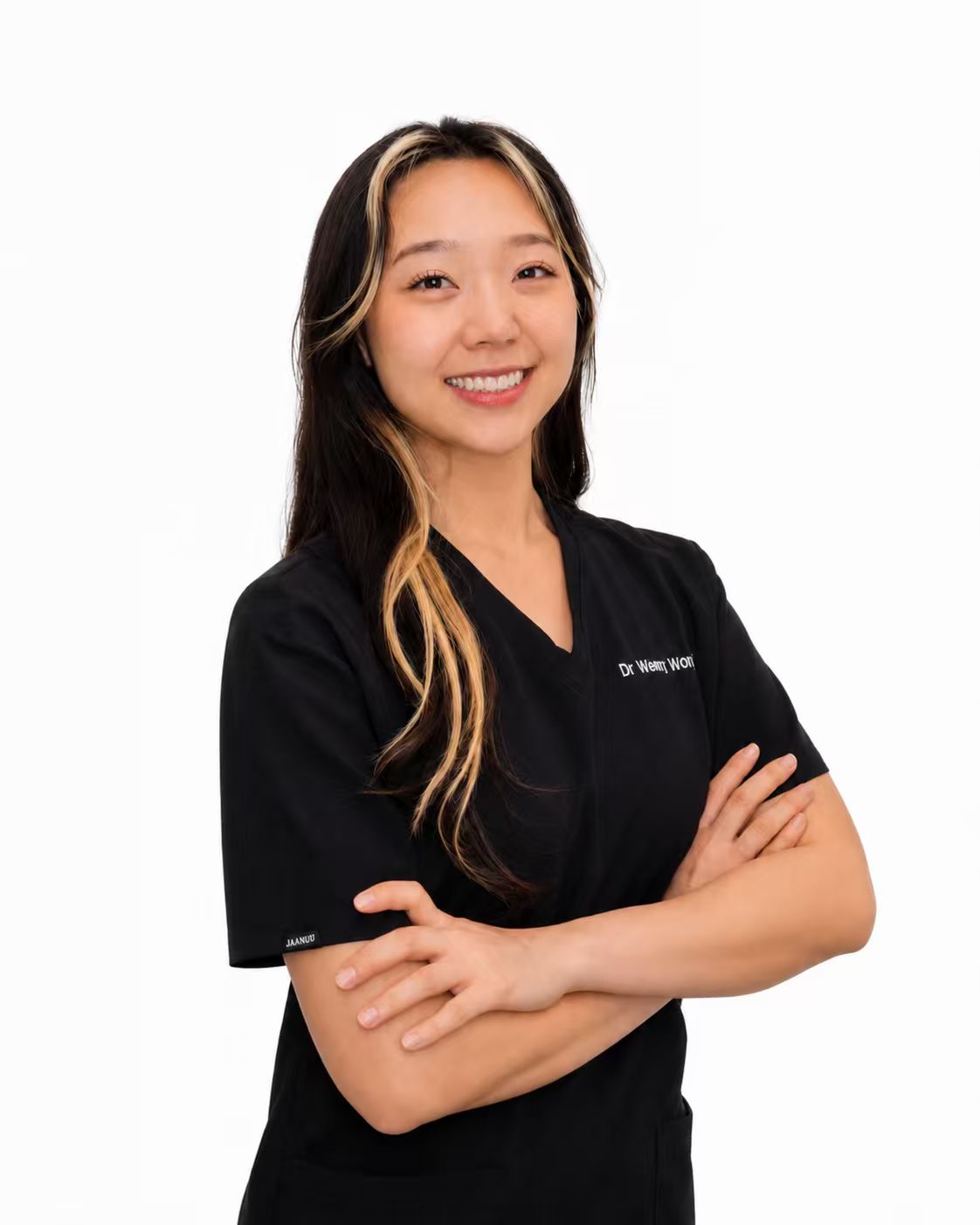
Dr Jason Chuang is a qualified dental surgeon fluent in Mandarin and English. Graduating from the University of Melbourne, he has practiced in both the public and private sectors in Melbourne. Dr Jason grew up in Taiwan and immigrated to Canada for high school. He graduated from the University of Alberta with a Bachelor of Science degree and later moved to Australia to pursue his passion for dentistry.
Dr Chuang has a gentle chair-side manner and endeavours to make your dental visit as comfortable as possible. He also takes his time to get to know his patients. His patients describe him as kind, thorough, and caring. He is committed to providing the best treatment for his patients by keeping up to date with the latest technologies and dental research.
Dr Chuang is competent in all areas of dentistry and is continuously expanding his skills through continuing professional development programs across all aspects of dentistry. In his spare time, he enjoys playing basketball and cooking.
Dental Registration Number: DEN0002163221
Registered Dentist
Preventive dentistry includes regular examinations, professional cleaning and daily oral care to help identify concerns early. Your dentist can recommend care and follow-up based on your teeth, gums and individual needs.
Orthodontics covers treatment for tooth alignment and bite concerns, including crowding and gaps. Options can include fixed braces or clear aligners. Your dentist will assess your teeth and discuss choices suited to your needs.
Traditional fixed braces use brackets attached to teeth and wires to gradually move them. They cannot be removed at home and need careful cleaning and regular reviews. Suitability depends on your assessment.
Invisalign is a clear aligner system that uses a series of trays changed according to your treatment plan. Aligners are removable, but require consistent wear and regular reviews. Suitability depends on your teeth and bite.
Crowding, gaps or bite concerns are reasons to seek an assessment. Your dentist will examine your teeth, gums and bite, arrange imaging if needed, and discuss treatment or referral options.
Brackets attached to the teeth and wires apply gradual forces to move teeth over time. Regular reviews and careful cleaning around the braces are part of treatment.
Temporary tenderness or irritation can occur after braces are fitted or adjusted, although experiences vary. Contact the practice if pain persists or an appliance is rubbing your mouth.
Invisalign uses a series of clear, custom-made aligners to move teeth gradually. Suitability depends on tooth alignment, bite and oral health and requires an assessment.
Clear aligners can generally be removed, while fixed braces are attached to the teeth. The care, wear requirements and suitability differ; your dentist can discuss the options with you.
Timing depends on the movements needed, your bite and the treatment method. After an assessment, your dentist can discuss the expected timeline and review appointments.
Follow your dentist’s and the manufacturer’s instructions. Aligners are generally removed for eating, drinks other than water and cleaning; wear time can affect treatment progress.
A retainer is usually recommended to help keep teeth in their new positions and reduce movement. The type and wearing schedule depend on your circumstances.
Adults can be assessed for orthodontic treatment. Your dentist will check your teeth, gums and bite before discussing suitable options and considerations.
This information is general in nature. Your diagnosis and treatment plan will be based on an in-person assessment.